Southern Perth corridor, WA
House & Land Packages in Anketell WA
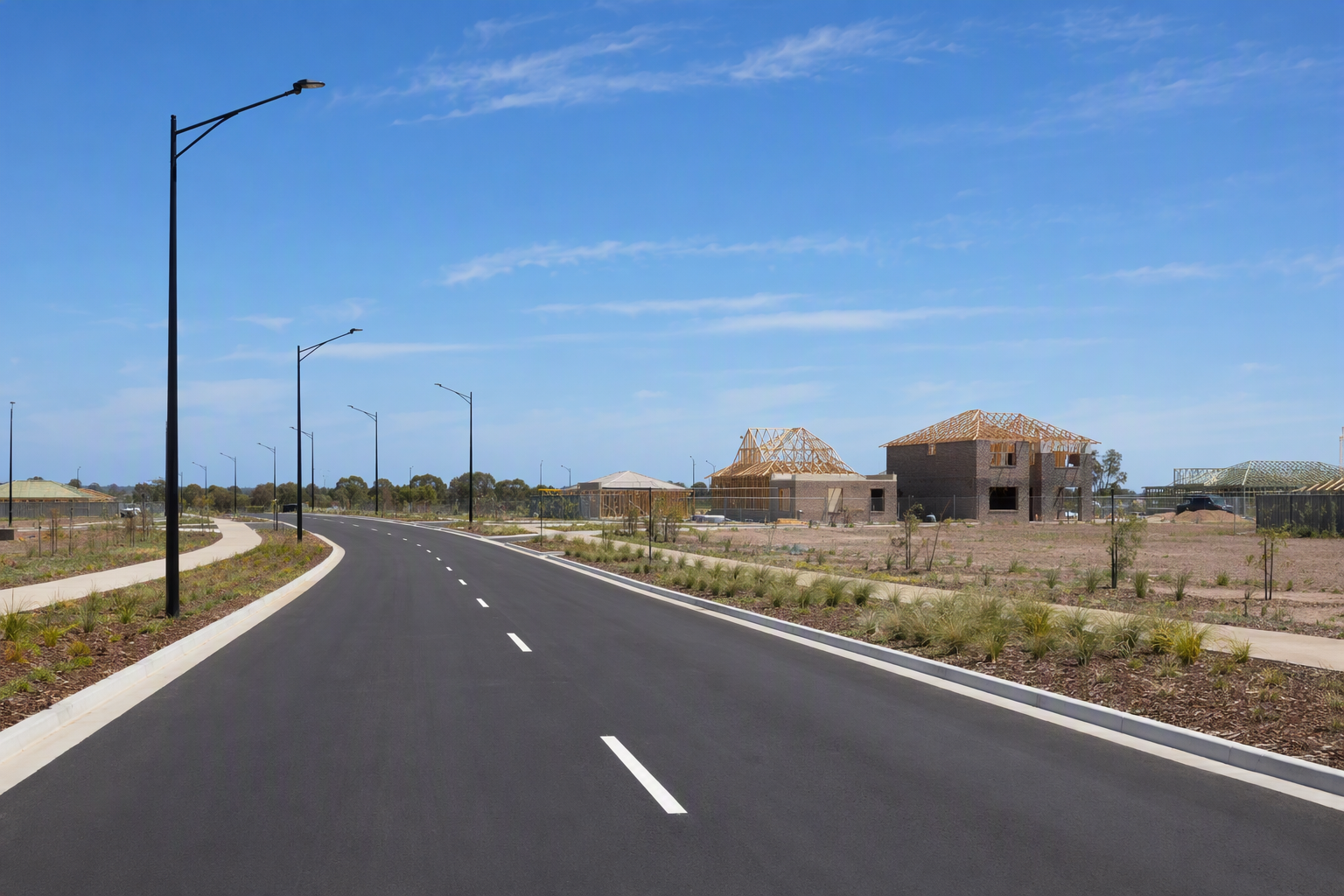
Anketell is part of the growth belt in the southern Perth corridor, where residential land has been brought to market in stages rather than all at once. For buyers, that means the suburb is still taking shape, and the experience of buying here is closer to joining a new community than moving into a finished one.
People who choose Anketell are usually building rather than buying an existing home. The attraction is straightforward: while the area is still developing there is real choice about which lot you take and what you put on it.
The trade-off is that more of the decision sits with you. This page covers how to assess a lot before the street around it is complete, and how to compare offers on a consistent basis.
- Growth stage
- Lot choice
- Build-from-new focus
What buying in a growth-stage suburb involves
In a growth-stage suburb, the estate you are buying into is being delivered over a period of years. Some stages are complete and occupied, some are under construction, and some exist only as a plan.
This affects your decision in three ways. Your immediate surroundings will change. The amenity shown on a masterplan may arrive later than you expect, or in a different form. And the pool of lots available to you shifts as stages release and sell.
Buyers who do well in this environment tend to be the ones who decide their own priorities first — budget ceiling, minimum bedrooms, block width, orientation, maximum acceptable timeline — and then assess lots against those priorities, rather than reacting to whatever is being promoted.
How to assess a lot before the street is finished
Things to check
- Width and depth. Confirm the exact dimensions and ask the builder to verify that your preferred design fits with setbacks, easements and any guideline requirements applied.
- Orientation. Note which way the rear and the main living area will face. In Perth, this has a large ongoing effect on comfort and running costs.
- Levels and fill. Ask for the finished lot level relative to neighbouring lots and the road, and whether retaining will be required by you or your neighbour.
- Soil and site classification. Ask whether a soil test has been done and what classification applies, because it drives the slab and footing cost.
- Position within the estage staging plan. A lot bordering future stages will have construction activity nearby for longer than one in a completed pocket.
- What is adjacent. Check what the land beside and behind the lot is zoned for, and confirm it with the local government rather than the sales plan.
- Practical access. Check where the crossover will go, whether there is space for a second vehicle, and how bin collection and street parking will work.
Housing and design context
New homes in this part of the corridor are typically single storey brick and render, three or four bedrooms, two bathrooms, with a double garage and open-plan living. Many estates encourage a consistent streetscape through design guidelines covering facade, roof material, driveway finish and front landscaping.
Within that framework there is still meaningful choice. Whether you put the extra space into a fourth bedroom, a theatre room, a bigger living area or a larger alfresco is a genuine decision, and it is easier to make well if you have thought about how you actually use a home before you sit down with a builder.
If you expect your household to change over the next decade, it is worth thinking about which spaces would absorb that change and whether the block leaves room for anything you might add later.
Looking for house & land around Anketell?
Tell us your preferred area, approximate budget and home requirements and we’ll help you explore suitable opportunities.
Who Anketell may suit
- Buyers who specifically want to build new and are prepared for a build timeline rather than an immediate move.
- Households who value lot choice and want input into design, orientation and inclusions.
- People whose work or family connections are in the southern corridor, where the position of the suburb works for them.
- Buyers with some flexibility in their timing, who can absorb a title or construction delay without it causing serious difficulty.
- It is likely to suit you less if you need established services immediately nearby, or if you want to move in within a few months.
Comparing packages and understanding the real cost
The most common source of disappointment in growth-stage suburbs is not the home — it is the gap between the advertised figure and the amount actually required. Closing that gap early is mostly a matter of asking direct questions.
Things to check
- Ask for the total estimated cost to move in, not the build price.
- Get site works quoted for the specific lot once a soil test is available, rather than relying on a standard allowance.
- Identify every allowance in the quote and ask which are likely to move.
- Confirm whether flooring, window treatments, air conditioning, fencing, landscaping and the driveway are included.
- Confirm the fixed-price period, the expected build duration and what happens if it runs over.
- Add the costs outside the contracts: settlement and mortgage costs, insurance, authority charges, and rent or existing repayments during the build.
Amenity, transport and services
Everyday services for a growth-stage suburb are typically drawn from neighbouring suburbs and the wider district while local amenity is still being delivered, which for many households means using the established Kwinana district centre in the meantime. Ask specifically which shops, parks and schools near a lot exist today.
The corridor is served by the Kwinana Freeway and by the rail line running south from Perth, with stations located through the district and bus services connecting to them. Road connections in growth areas change as stages complete and as new works are delivered, so confirm current arrangements with the relevant authorities and test your own commute at realistic times.
For schooling, confirm current catchments, enrolment arrangements and available places with the WA Department of Education and the individual schools. In growth areas these arrangements can change as new schools are planned.
First home buyers building in Anketell
Building a first home in a growth-stage suburb can work well, provided you have realistic expectations about timing and about the costs that sit outside the build contract.
The two things most worth doing early are getting a clear picture of your borrowing position with a lender or broker, and getting a site-specific site works figure before you finalise your budget. Grant and concession rules change, so confirm the current position with the relevant government body rather than relying on any figure you read online, including here.
Nearby areas
Also comparing Anketell with somewhere else?
Anketell is most often compared with the other growth-stage parts of the district, and buyers frequently look at Wandi and Casuarina in the same search.
Mandogalup
An emerging locality at the northern edge of the district, where new residential land sits alongside rural and industrial land uses.
Wellard
A newer, rail-oriented suburb where much of the housing has been built in recent years around a station precinct.
Kwinana
An established southern corridor centre with a mix of newer estates and older pockets, close to the freeway and rail.
Anketell house and land questions
Looking for current house & land opportunities in Anketell?
Tell us your budget, preferred area and home requirements and we'll help you explore suitable options.
Independent enquiry and information service — not a builder, developer, agent or lender. Terms & disclaimer
HomeLot is an independent property enquiry and information service. We are not a builder, developer, real estate agent, lender or financial adviser. Information is general in nature and availability, pricing and package details should always be confirmed directly with the relevant provider.